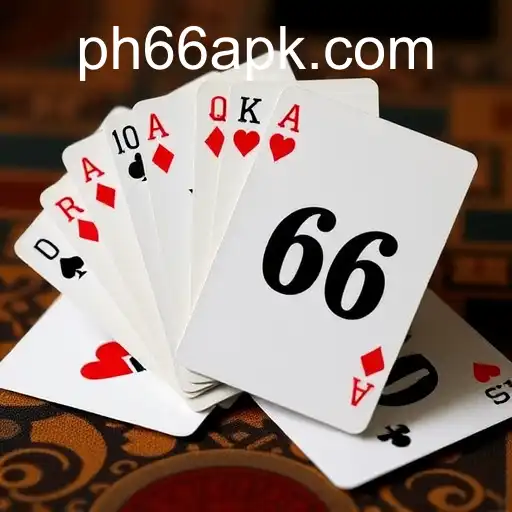
The Intricate World of Card Games
Card games have captivated people for centuries, providing a source of entertainment, competition, and even psychological stimulation. From the simplicity of Go Fish to the strategic depth of Bridge, card games vary widely in complexity and appeal. Among this diverse universe of games, one relatively lesser-known yet fascinating variant is Ph66.
Understanding the Basics
Ph66, often pronounced as "Fifty-six," combines elements from several traditional card games. It is a trick-taking game played with a standard 52-card deck, requiring both strategy and deftness. Its name, intriguing as it sounds, adds an air of mystery to the game itself. Generally played between two to four players, Ph66 is known for its complex rules and exciting dynamics, which keep players eager for the next round.
The Origin of Ph66
The exact origins of Ph66 are somewhat obscure. Like many card games, it evolved over time, taking inspiration from older European trick-taking games. Historians suggest it might have roots in games like Skat or Belote, which are both popular in various regions of Europe. Its spread has primarily been through word of mouth and community gatherings, giving it an almost underground status among the more mainstream card games.
Setting Up the Game
Before diving into the intricacies of Ph66, one must first understand how to set up the game. The game begins with the dealer distributing cards clockwise until each player has a hand of six cards. The remainder of the deck is placed face-down in the center, serving as the draw pile. The top card of the draw pile is turned face-up to establish the trump suit, a crucial aspect of many trick-taking games.
The Rules and Strategy
Once the initial setup is complete, players take turns clockwise, showcasing their hands' best cards. Understanding which card to play is vital in Ph66, especially since the game incorporates a unique scoring mechanism. Players must strategize when it's optimal to play high-value cards or keep them in reserve. The main goal is to accumulate tricks—card combinations that add to a player's total score.
Ph66 introduces an intriguing twist by allowing players to exchange certain cards with the draw pile, enhancing their tactical options. This rule change requires players to remain adaptable and anticipate their opponents' potential strategies. It's this need for strategic foresight and adaptability that makes Ph66 an engaging mental exercise.
Scoring in Ph66
In Ph66, each card holds a distinct point value, which contributes to the final score after each round. Traditional rankings apply, but the game introduces special bonuses for particular card combinations or patterns. At the end of the round, scores are calculated, and a running total keeps track of individual player standings. The winner is determined by the player who first reaches a set point threshold, often 66 points, in keeping with the game's name.
The Appeal of Ph66
Ph66's charm lies in its balance of skill, strategy, and luck. It offers something for everyone, whether you're a seasoned card player or a newcomer enchanted by its intricacies. The game fosters social interaction, requiring players to read each other's strategies and anticipate moves. This aspect is key to its enduring allure, as it brings people together in a shared, intellectual pursuit.
Modern Interpretations and Variants
While the traditional format of Ph66 remains popular among purists, modern interpretations have emerged, allowing the game to evolve with contemporary times. Online platforms have further democratized access to Ph66, connecting players across the globe. With digital versions often adding new dimensions to gameplay, they introduce exciting challenges while adhering to the classic rules.
Community and Cultural Impact
The Ph66 community, though smaller compared to card games like Poker or Bridge, is vibrant and passionate. Enthusiasts frequently hold tournaments, creating opportunities for new and experienced players to test their skills. The game's cultural impact varies by region, with certain areas celebrating it as a cherished pastime. This has contributed to Ph66 securing a unique spot among traditional card games.
The Future of Ph66
The future of Ph66 seems promising, as its blend of tradition and modern appeal continues to draw attention. New players discover its challenges and rewards, ensuring its legacy will endure. The game’s online presence is growing, introducing it to broader audiences and promising to keep its traditions alive while embracing innovations.
In conclusion, Ph66 embodies the timeless allure of card games—offering strategy, an element of chance, and a community spirit. For those inclined to explore card games beyond the mainstream, Ph66 offers a refreshing and intellectually stimulating experience.